Mohamed El Badji: From the Algerian Revolution to Chaâbi, the Journey of a Committed Voice

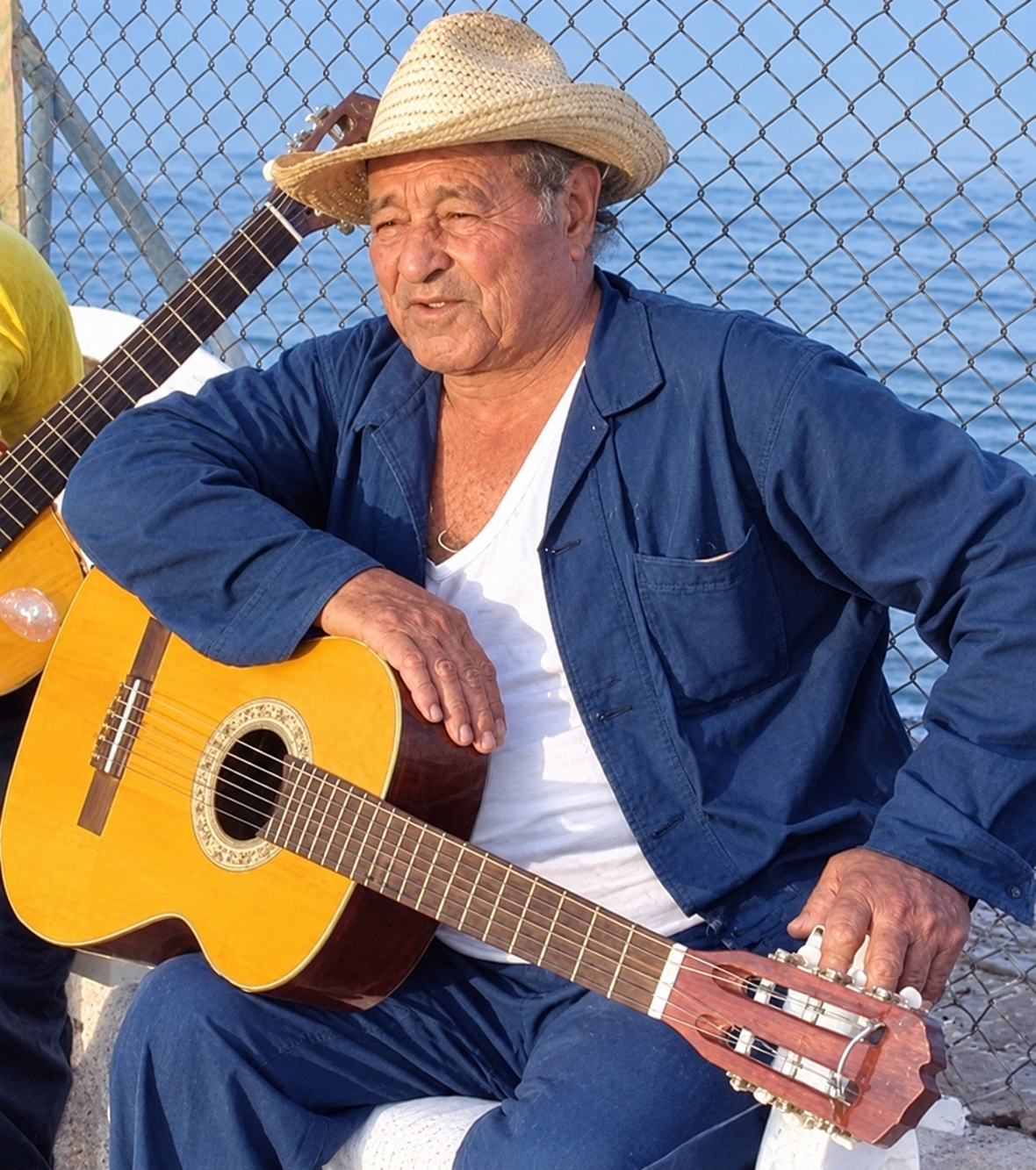
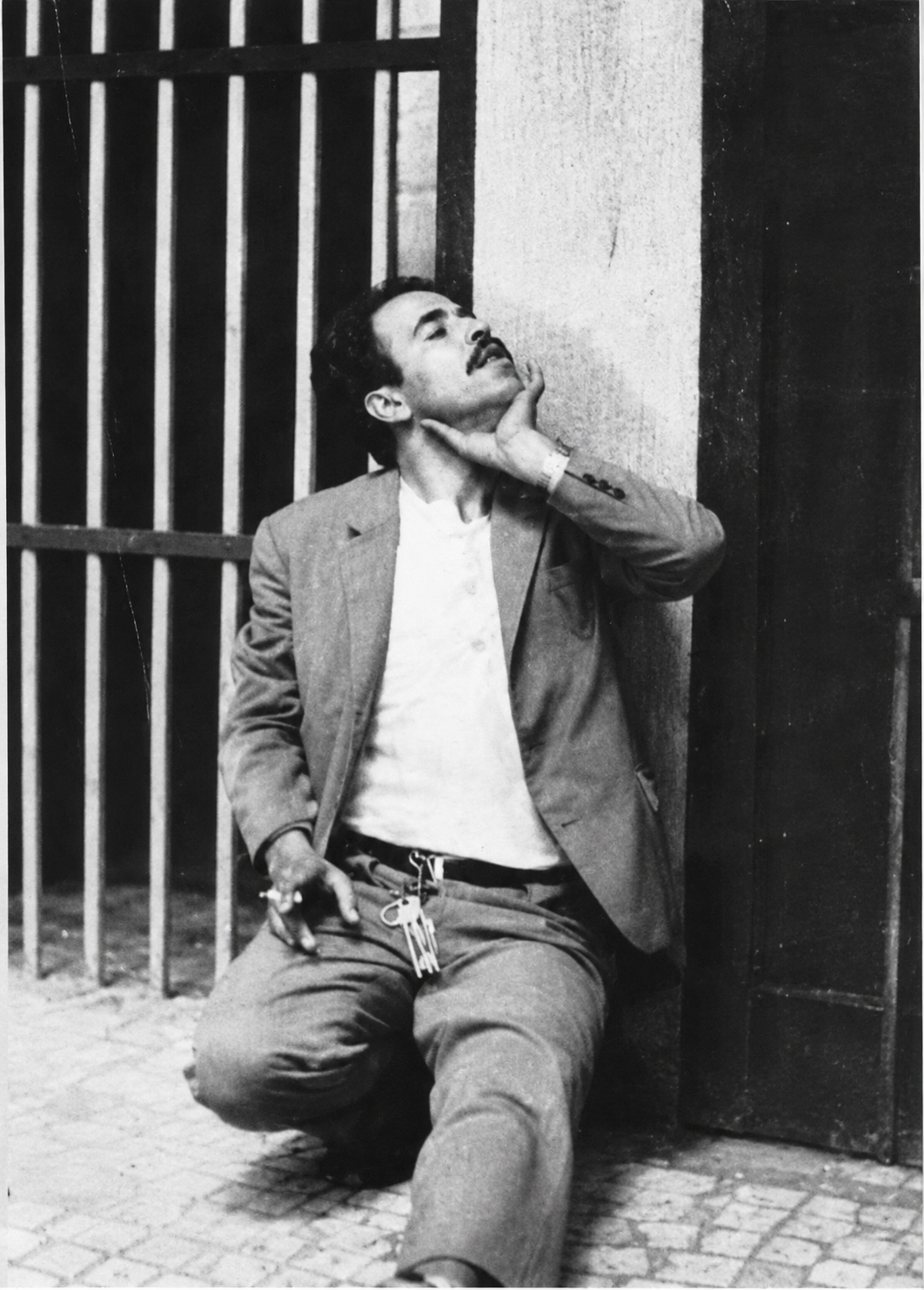
Mohamed El Badji, a prominent figure in Algerian chaâbi music. An artist committed to the national liberation struggle, he transformed his prison experience into a musical legacy deeply connected to Algeria’s history and collective memory.
Born in 1933 in Algiers, Mohamed El Badji, known by the nickname “Khouya El Baz,” is one of the leading figures of Algerian chaâbi music. As a singer, songwriter and composer, he left his mark on Algeria’s musical heritage through his deep voice, the sensitivity of his lyrics and a life closely intertwined with the country's history.
Originally from La Redoute, in the El Mouradia district, he developed an interest in music at an early age. In 1947, he began writing and composing, gradually shaping an artistic universe inspired by everyday life, Algerian identity and human experiences. A commitment to the struggle for independence Beyond his artistic vocation, Mohamed El Badji took part in Algeria’s national liberation struggle. A close associate of Didouche Mourad, he became involved in the fight for the country's independence.
Following the Eight-Day Strike in January 1957, he was arrested by the colonial authorities and imprisoned at Serkadji prison in Algiers. Sentenced to death, he ultimately escaped execution and remained imprisoned until Algeria gained independence in 1962.
This period marked a turning point in his life and left a lasting imprint on his artistic journey.
Serkadji: When hardship becomes music
His imprisonment profoundly shaped Mohamed El Badji's work and inspired several of his compositions. Among them is « Ya El Meqnine Ezzine », a song dedicated to Boualem Rahal, his fellow prisoner, who was guillotined on June 20, 1957, at the age of 19.
He also composed « Ya Bahre Ettofane », along with other works reflecting his personal experiences, hardships and deep attachment to his homeland.
For Mohamed El Badji, music became a way to bear witness, preserve memories and give a voice to the suffering endured during the colonial period. A legacy passed down through generations of chaâbi Mohamed El Badji distinguished himself not only as a performer but also as a songwriter and composer, contributing to the repertoire of major chaâbi artists, including Boudjemâa El Ankis, Amar Ezzahi and Aziouz Raïs.
His repertoire includes several well-known songs, such as « Hadi Mouda Wenta Ghrib », « Semhouni Rani Ghaltane », « El Oueldine » and « Ya El Meqnine Ezzine ».
He passed away on June 28, 2003, in Algiers, leaving behind a musical legacy that extends far beyond music. His life and work reflect the deep connection between artistic expression, collective memory and national history.
From the struggle for independence to the great era of chaâbi, Khouya El Baz remains a distinctive voice in Algeria’s cultural heritage, with compositions that continue to resonate with new generations.